
How to create a music press kit that gets you noticed

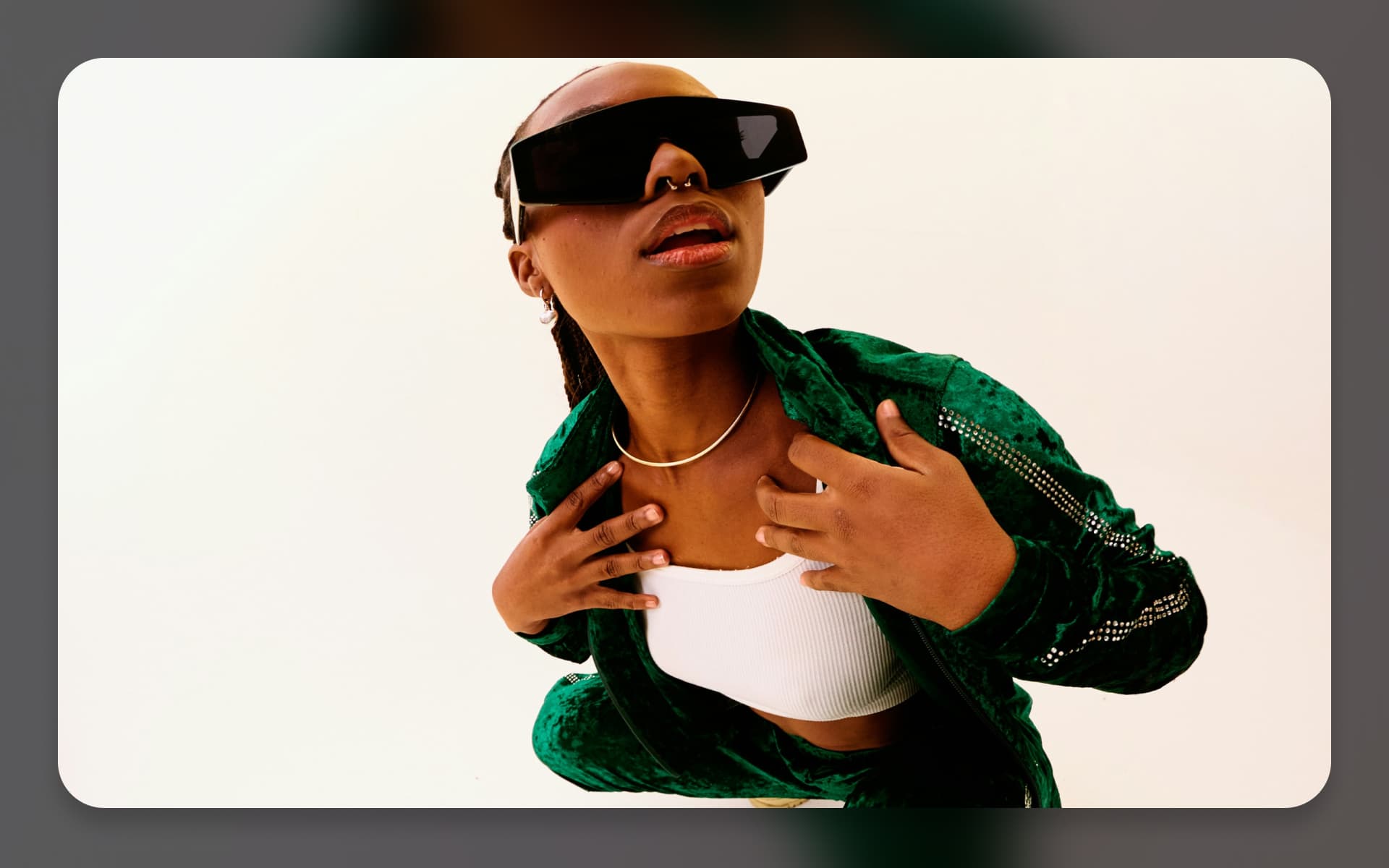
An Electronic Press Kit, or EPK, is the professional document that decides whether an industry contact gives you thirty seconds or thirty minutes. According to Chartlex data from over 2,400 artist campaigns, artists who maintain an updated EPK with current streaming stats and professional photos receive three times more responses from industry contacts than those with outdated or incomplete kits. Most artists either do not have one or treat it as a one-time project. Both approaches leave real opportunities on the table.
Key takeaways
An EPK is your professional introduction to bookers, curators, journalists, and labels, and it needs to make the decision easy for whoever opens it. Keep it concise, lead with your strongest material, and update it regularly. What goes in matters less than how usable it is for the person reading it in a hurry. A good EPK does not try to say everything, it says the right things fast, and keeps the friction between a contact and a yes as close to zero as possible.
What an EPK actually is
Before building one, it helps to be clear on what it is for and who reads it.
Your digital introduction to the industry
An EPK is a single page or document that gives venues, promoters, journalists, and playlist curators everything they need to decide whether to work with you. Think of it as a resume and a portfolio combined, except the person reading it has forty-five seconds and a full inbox. It is not a place to tell your whole story, it is a place to give someone enough to say yes.
Who uses it and what they look for
Each professional who reads your EPK is looking for something slightly different. A booker wants to know you can draw a crowd and deliver a show. A curator wants to hear immediately whether your sound fits. A journalist wants a story angle and easy access to quotes and images. Building your EPK with a specific reader in mind is what makes it usable rather than decorative.
What to include
Every EPK needs a core set of elements. What changes is how you prioritise them.
Bio in two lengths
Write a long version of around 250 words for journalists who need background, and a short version of one or two sentences for bookers and curators who need the elevator pitch. Both should answer the same three questions quickly: who you are, what you sound like, and why now. Avoid writing your bio in first person, since whoever uses it will want to copy and paste it directly.
Your three or four strongest tracks
Do not include your entire catalog. Choose the tracks that best represent your current sound and link to them where they stream, not as attachments. A playlist curators contact can be followed up with a playlist pitching approach, as covered in the ultimate guide to playlist pitching.
Photos that are actually usable
Two or three high-resolution images in different formats, vertical and horizontal, that a journalist or a venue can drop into an article or a poster without asking you for anything else. Low-resolution or heavily filtered photos get quietly skipped by anyone on a deadline.
A good EPK does not try to say everything, it says the right things fast.
How to keep it working
An EPK is a living document, not something you build once and forget.
Update it after every meaningful release
Streaming stats go stale quickly, and an EPK with outdated numbers signals to a professional that you are not actively working your career. Update figures after each release and add any notable placements, press mentions, or shows as they happen. An EPK that reflects where you are today is far more credible than one frozen two years ago.
Keep it one click away
Your EPK should live at a permanent, shareable URL, whether on your own website or a platform built for it. Attaching files to emails creates friction and ends up in spam. A clean link is all you need to send, and whoever opens it should be able to get to your music, your photos, and your contact details in seconds.
How Matchfy takes your EPK further
Having a strong EPK is how you get into the conversation, and Matchfy is how you take that conversation further. It is an independent platform that connects you with playlist curators and industry professionals who fit your sound, so the introduction your EPK makes lands with people genuinely positioned to push your music forward. Pair a sharp EPK with the right connections and the gap between pitching and placement shrinks considerably. More on growing that reach in the digital music marketing guide on the Matchfy blog.
Frequently asked questions
What is an EPK in music?
An EPK, or Electronic Press Kit, is a digital document that gives industry professionals, from bookers to journalists to playlist curators, everything they need to evaluate you and your music in one place. It typically includes a bio, your best tracks, photos, and contact information.
How long should a music press kit be?
As short as it can be while still covering the essentials. A single well-structured page is almost always more effective than a long document, because the people reading it are busy and decide fast. Chartlex data shows that concise, current EPKs generate three times more responses than cluttered or outdated ones.
How often should I update my EPK?
After every significant release or milestone, and at minimum every few months. Outdated streaming stats and old photos undermine your credibility faster than low numbers do.