
Music playlist pitching: the complete guide to getting your song featured

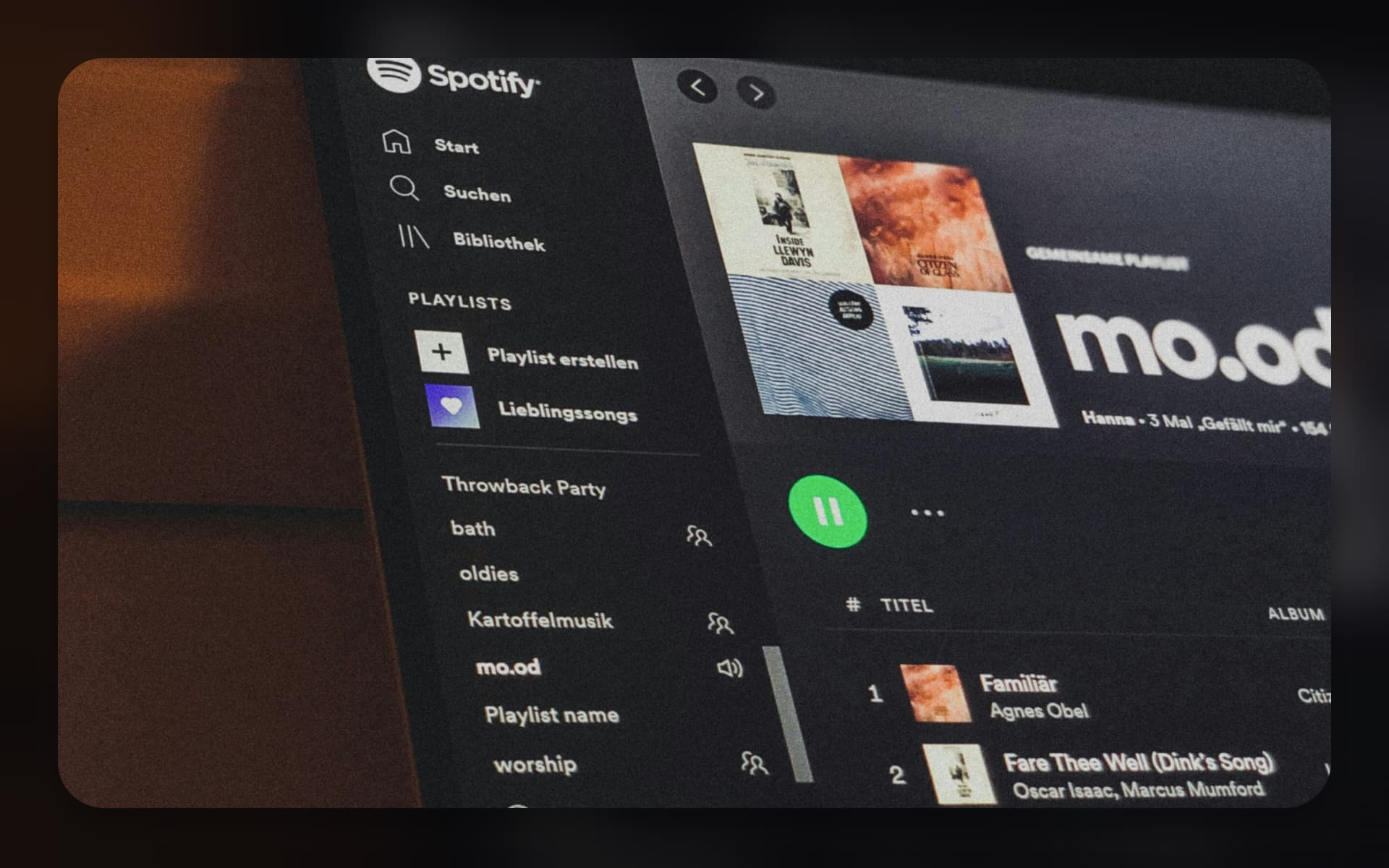
Getting your music on the right playlist can change everything. Here's how to actually make it happen.
Why playlists matter more than you think
If you've released music in the last five years, you already know that Spotify playlists can make or break a song's performance. A placement on the right playlist, even an independent one with 10,000 followers, can generate thousands of streams, introduce you to new listeners, and trigger Spotify's algorithm to push your track even further.
But here's what most artists don't understand: playlist placement is not a lottery. It's a skill. And like any skill, it can be learned, refined, and applied consistently.
The artists who get featured regularly aren't necessarily making better music than you. They understand how to pitch, who to pitch to, and when.
The difference between editorial and independent playlists
Before you start pitching, it's worth understanding the two main types of playlists you'll be targeting.
Spotify editorial playlists are curated by Spotify's internal team. Getting featured on playlists like "New Music Friday" or genre-specific editorial lists is the holy grail for many artists, and it can generate millions of streams almost overnight. The catch is that the competition is enormous. Spotify receives hundreds of thousands of pitches every week, and the selection process is opaque. You can submit through Spotify for Artists, but there's no guarantee, and you won't receive feedback if you're rejected.
Independent playlists are curated by bloggers, music enthusiasts, YouTube channels, brands, and industry professionals. They tend to have smaller but often more dedicated audiences. They're also far more accessible. A well-crafted pitch to an independent curator with 20,000 playlist followers has a realistic chance of success, especially if your music genuinely fits their aesthetic.
The smartest promotion strategies target both, but with different approaches and expectations.
What makes a pitch actually work
Most pitches fail for the same reasons: they're generic, they're too long, or they clearly haven't been tailored to the specific curator. Curators receive dozens, sometimes hundreds, of submissions a week. They can tell instantly when someone has copied and pasted the same message to a hundred people.
A pitch that works has a few key ingredients.
It's personal. You reference the specific playlist, maybe a specific song on it that you love, and you explain clearly why your track would fit alongside it. This takes research, but it's the single most important thing you can do to stand out.
It's concise. Curators don't have time to read three paragraphs about your artistic journey. Lead with the music. Give them a link immediately. Keep the message short and focused.
It's honest about where you are. You don't need to pretend you're bigger than you are. If you're an emerging artist with 500 monthly listeners, say so. Authenticity builds trust, and curators often have a soft spot for artists they feel they discovered early.
It follows up exactly once. If you don't hear back after a week or ten days, one polite follow-up is appropriate. More than that becomes harassment.
Building a pitching system that doesn't burn you out
Pitching to playlists is a numbers game, but it's also a relationship game. The goal isn't just to get one placement, it's to build a network of curators who know your name and look forward to hearing your next release.
This means keeping a spreadsheet or database of every curator you've contacted, what playlist they manage, whether they responded, and what the outcome was. Over time, this becomes an invaluable asset. You start to see patterns: which genres of curators respond to your music, which don't, which ones have become recurring supporters.
Treat pitching like a creative professional would treat any outreach campaign. Set aside time every week specifically for research and outreach. Don't do it in a rush the week your song drops. Start the process four to six weeks before release, so you have placements lined up and ready when the music goes live.
"Opportunity doesn't happen. You create it." — Chris Grosser
The role of timing and release strategy
When you pitch matters almost as much as how you pitch. Spotify for Artists allows you to submit your track for editorial consideration up to seven days before release. Miss that window and you lose your shot at editorial consideration entirely for that release.
For independent curators, pitching two to four weeks in advance is usually ideal. It gives curators time to listen, decide, and schedule your track. Pitching the day before release tells them you're disorganized, and that's not the impression you want to make.
Your release day also matters. Friday is the standard global music release day, aligned with Spotify's playlist refresh cycle. Releasing on a Friday gives you the best chance of landing on weekly playlist updates and appearing in Spotify's new release algorithms.
Why most artists never build real playlist momentum
The honest answer is that pitching is tedious, time-consuming, and often discouraging. You send fifty emails and hear back from three. You get excited about a placement that drives fewer streams than you hoped. You start to wonder if it's even worth it.
It is worth it, but only if you approach it as a long-term strategy, not a one-time effort. The artists who build genuine playlist momentum do so over months and years, not over a single release cycle.
This is exactly why having the right platform and network matters so much.
How Matchfy makes playlist pitching smarter
Matchfy was built to solve the core problem with playlist pitching: finding the right curators and building real relationships with them at scale.
Instead of spending hours searching for playlist contacts, Matchfy gives you direct access to a network of vetted curators, industry professionals, and music tastemakers who are actively looking for new music. You can filter by genre, mood, and playlist type, submit your music through a transparent system, and track every interaction in real time.
More importantly, Matchfy connects you with professionals beyond just playlist curators: sync licensing agents, managers, and label scouts are all part of the ecosystem. A playlist placement might open the door to a conversation that changes the direction of your career entirely.
Stop guessing who to pitch and start building the right connections. Discover Matchfy and take your playlist strategy to the next level →
The bigger picture
Playlist pitching is one piece of a larger promotion puzzle, but it's a crucial one. Done well, it drives streams, feeds Spotify's algorithm, introduces you to new audiences, and builds your credibility within the industry.
The artists who figure this out early give themselves a serious advantage. The ones who keep waiting for the algorithm to magically discover them are still waiting.
Start pitching. Start building. The playlists are there, and so are the curators. You just need to reach them in the right way.