


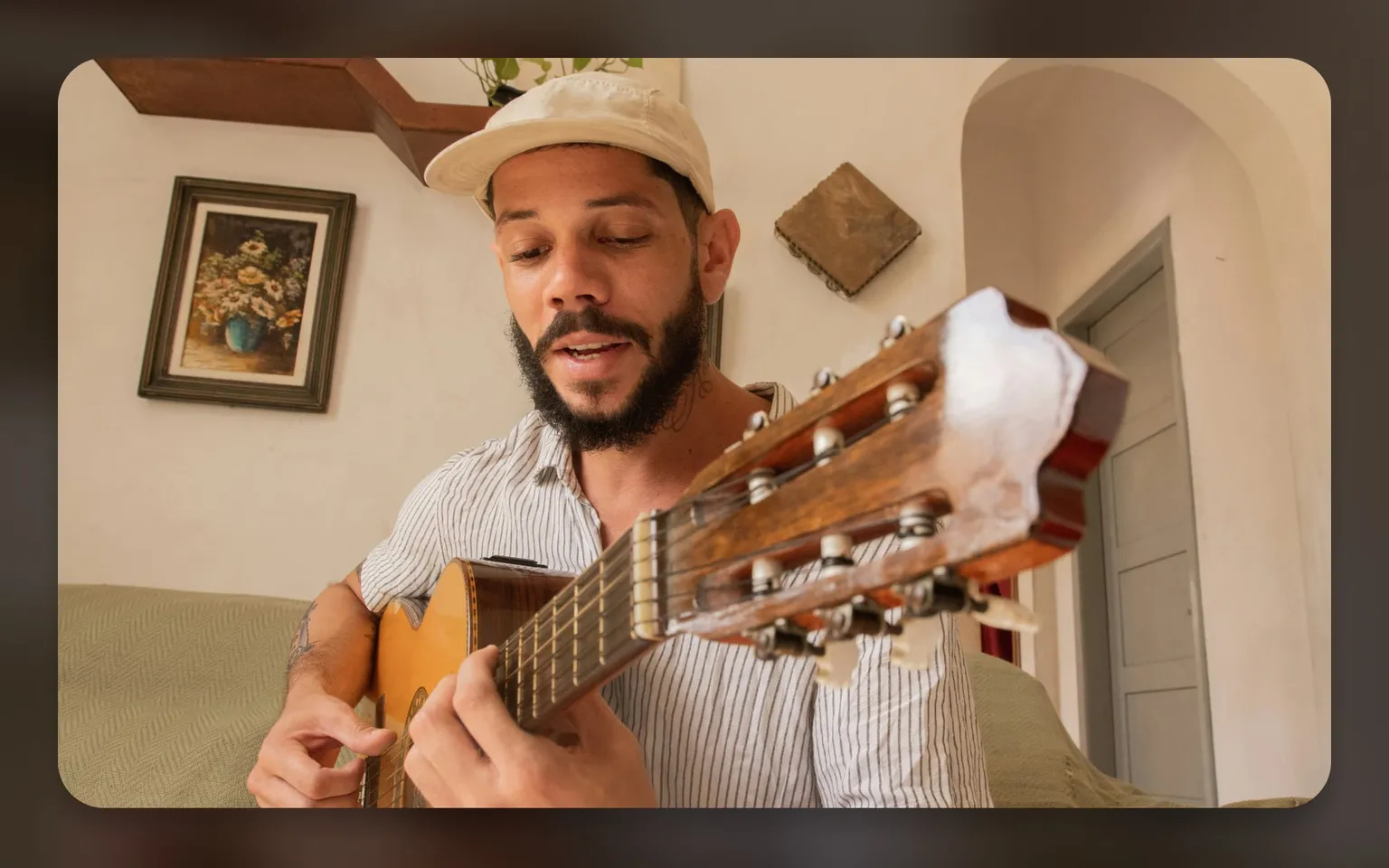
Why “professional” no longer means what it used to
For a long time, being a professional artist meant one thing: having a deal, a manager, or a team. In 2026, that definition no longer holds. Plenty of artists operate professionally without contracts, while others with industry backing behave anything but professionally.
Being professional today has less to do with status and more to do with how you operate consistently over time.
Professionalism isn’t a title.
It’s a pattern of behavior.
This shift explains why some independent artists move faster than signed ones, and why others get stuck despite obvious talent.
Professionalism starts before anyone is watching
Most artists try to “act professional” once opportunities appear. Serious artists do it long before that.
Professional artists prepare even when outcomes are uncertain. They plan releases, organize assets, respect timelines, and communicate clearly, not because someone demands it, but because it reduces friction.
This early discipline compounds. When opportunities do arrive, they’re ready instead of scrambling.
Reliability is the new credibility
In today’s industry, reliability matters more than hype. Professionals are artists who follow through. They deliver what they say they will. They respond. They stay consistent even when results are slow.
Curators, collaborators, and professionals don’t look for perfection. They look for predictability.
Talent gets attention.
Reliability keeps doors open.
Unreliable artists don’t fail because they’re bad. They fail because people stop trusting timelines.
How professionals communicate differently
Professional artists understand that communication is part of the work. Messages are clear. Expectations are realistic. Feedback is received without defensiveness.
They don’t oversell.
They don’t disappear.
They don’t make everything emotional.
This doesn’t mean being cold or corporate. It means being respectful of other people’s time and context.
Artists who communicate well are easier to support, and support flows toward ease.
Professionalism shows up in preparation, not polish
Many artists confuse professionalism with polish. Perfect visuals. Perfect branding. Perfect rollouts. In reality, professionalism is more about readiness than aesthetics.
Professionals know where their music fits, who it’s for, and why it exists. They can explain their project without rambling. They understand their release strategy, even if it’s simple.
Polish helps.
Preparation matters more.
Why professionals think in systems, not moments
Unprofessional artists live release to release. Every drop feels isolated. Every result feels final.
Professional artists think in systems. Releases connect. Feedback informs the next step. Decisions are made with continuity in mind.
This systems thinking reduces panic and increases learning. Progress becomes observable instead of emotional.
Professionals don’t ask “did this work?”
They ask “what did this teach me?”
The role of feedback in professional behavior
Professionals don’t avoid feedback. They seek it intentionally. Not to be reassured, but to reduce blind spots.
They understand that external perspective is not a threat to creativity, it’s a calibration tool. This mindset accelerates growth and prevents repeating the same mistakes.
This is where environments like Matchfy naturally fit. They normalize feedback, conversation, and industry context, making professional behavior part of the daily workflow rather than a reaction to failure.
Why professionalism attracts opportunities quietly
Professional artists rarely chase opportunities aggressively. They create conditions where opportunities make sense.
Because they’re organized, clear, and reliable, collaborations feel safer. Curators feel confident. Industry conversations feel lighter.
Opportunities don’t go
to the loudest artists.
They go to the easiest ones to work with.
Professionalism lowers resistance.
What professionalism looks like without success
Here’s the uncomfortable truth: you can be professional long before you’re successful. And you can be successful without being professional, temporarily.
The difference shows up over time.
Artists who behave professionally before success tend to last longer, adapt faster, and recover better from setbacks. Those who rely on momentum alone often struggle when conditions change.
The real takeaway
Being a professional artist today isn’t about looking the part.
It’s about operating with intention, consistency, and respect for the process.
Professionalism is how you plan, how you communicate, how you respond to feedback, and how you move when no one is watching.
When artists adopt this mindset, supported by ecosystems that reinforce clarity and context, like Matchfy, careers stop feeling chaotic and start feeling manageable.
Professionalism doesn’t limit creativity.
It gives it room to grow.