
What is mixing and mastering and why your tracks sound amateur without it

You've written a great song. You've recorded it. But something still sounds off. The answer is almost always in the mix.
The invisible craft behind every great record
When people talk about their favorite songs, they rarely mention the mix. They talk about the melody, the lyrics, the production, the feeling. But underneath all of that, shaping every element of what they're hearing, is the work of a mixing and mastering engineer.
Mixing and mastering are the final stages of music production, and they are also the stages most commonly skipped, rushed, or underestimated by independent artists. The result is tracks that sound flat, cluttered, thin, or simply "not quite right" compared to professionally released music, even when the songwriting and performance are genuinely strong.
Understanding what these processes actually do, and why they matter, is one of the most important things an independent artist can learn.
What mixing actually is
Mixing is the process of taking all the individual recorded elements of a track, every vocal take, every instrument, every sound, and combining them into a single, cohesive stereo file. It sounds straightforward, but the reality is enormously complex.
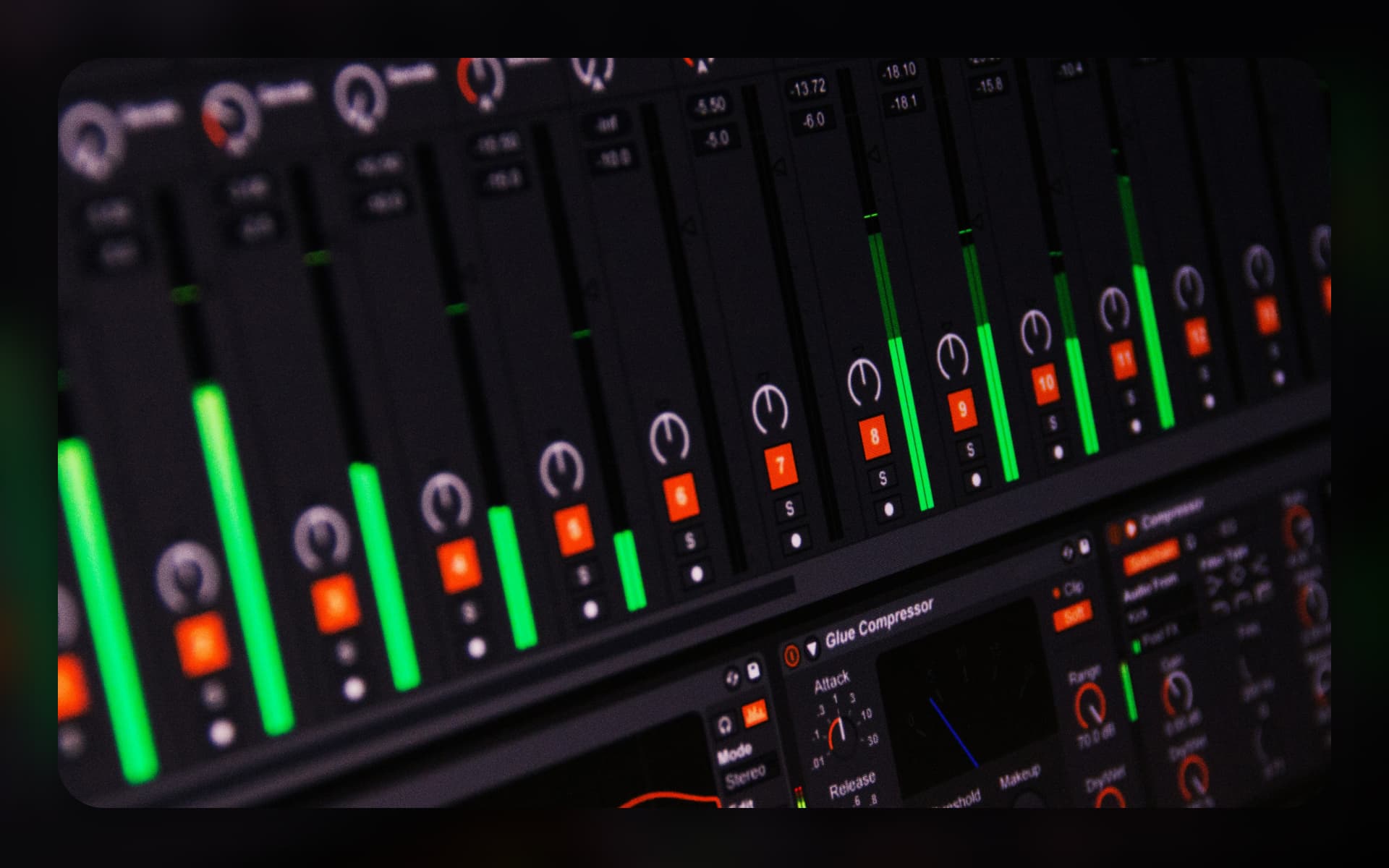
A mix engineer controls the volume levels of every element, ensuring that nothing is too loud or too quiet relative to everything else. They shape the frequency content of each sound using equalization, cutting frequencies that clash with other elements and boosting those that define the character of the instrument. They use compression to control the dynamic range of individual elements, making performances feel more consistent and controlled. They place sounds in the stereo field, creating a sense of width and space. They add reverb and delay to give the track a sense of dimension and depth.
All of these decisions, and dozens more, happen simultaneously across every element of a song. A professional mix engineer does this with years of trained ears, reference tracks, and a calibrated monitoring environment. The result is a track where every element has its own space and the whole thing feels balanced, powerful, and intentional.
A poorly mixed track feels the opposite: crowded, fatiguing to listen to, with certain elements either buried or overwhelming everything else.
What mastering actually is
Mastering is the final step before a track is distributed to streaming platforms, radio, or physical formats. It takes the stereo mix and processes it as a whole, optimizing it for playback across every possible listening environment, from earbuds to car speakers to club sound systems.
A mastering engineer controls the overall loudness of the track, ensuring it meets the loudness standards of streaming platforms like Spotify and Apple Music. They make fine EQ adjustments to the overall frequency balance, correcting any issues that weren't caught in the mix. They use limiting and compression to add punch and presence without distorting the track. They ensure consistency across an EP or album, so every track feels like it belongs to the same release.
Mastering is often misunderstood as simply "making it louder." It's much more than that. A well-mastered track feels finished, confident, and ready for the world. A track that hasn't been properly mastered often sounds thin, quiet, or harsh compared to everything else in a playlist.
Why this matters more than you think
The moment someone presses play on your track, they're making a subconscious comparison with every other piece of music they've ever heard. If your track sounds noticeably different in quality from what surrounds it on a playlist, the listener disengages. They don't consciously think "this mix is subpar." They just stop listening.
This is why mixing and mastering are not optional finishing touches. They're the difference between a track that keeps people listening and one that gets skipped after ten seconds.
For independent artists, the stakes are even higher. You don't have the brand recognition of an established artist to carry listeners through a difficult listening experience. Your sound quality needs to speak for itself from the very first second.
The DIY mixing trap
Many artists try to mix their own music, and there's genuine value in learning the fundamentals of mixing, especially for demos and work-in-progress material. But self-mixing a final release is one of the most common reasons independent tracks fail to connect.
The problem is partly technical and partly psychological. Technically, mixing requires a calibrated acoustic environment and reference-quality monitors, which most home setups don't have. Psychologically, it's almost impossible to mix your own music objectively. You've heard it hundreds of times during the creative process. Your ears are fatigued by the material, and your emotional investment makes it hard to make cold, clinical decisions about what needs to go and what needs to stay.
A professional mix engineer comes to your music fresh, with trained ears and no emotional attachment. That objectivity is worth a great deal.
How bad sound quality affects every other part of your career
The impact of poor mixing and mastering extends far beyond the listening experience.
Playlist curators receive hundreds of submissions every week. When a track sounds amateur, it gets rejected immediately, regardless of the songwriting. Sync licensing for TV, film, and advertising has strict technical requirements, and a poorly mixed track simply won't pass the technical review. Music blogs and press contacts form their impression of you as an artist partly through sound quality. A track that doesn't sound professional signals that you're not ready.
Every weak link in your production chain creates a ceiling on what your promotion can achieve. Great songs deserve great production. Anything less limits the reach of the music before it's even had a chance to be heard.
How Matchfy amplifies professionally produced music
Once your music is mixed, mastered, and genuinely competitive in quality, the next step is getting it in front of the right people. Matchfy is designed for exactly that moment.
The platform connects artists with playlist curators, sync professionals, and music industry contacts who are actively seeking new music. Professionally produced tracks have a dramatically higher success rate on Matchfy because they pass the quality filter that every serious curator applies before they even consider the song itself.
Matchfy's transparent, data-driven system lets you track every submission, understand which curators are engaging with your music, and build lasting relationships within the industry. It's the promotional infrastructure that makes professional production worthwhile.
Great production deserves great promotion. Connect with the curators and industry professionals who are ready to hear your music. Join Matchfy and start building real momentum →
The bottom line
Mixing and mastering are not luxuries. They are the final, essential steps that transform a recorded performance into a finished, competitive piece of music. Skipping them, or cutting corners on them, is the single fastest way to limit the potential of a song that might otherwise have a real impact.
Invest in the sound. Everything else follows from there.