


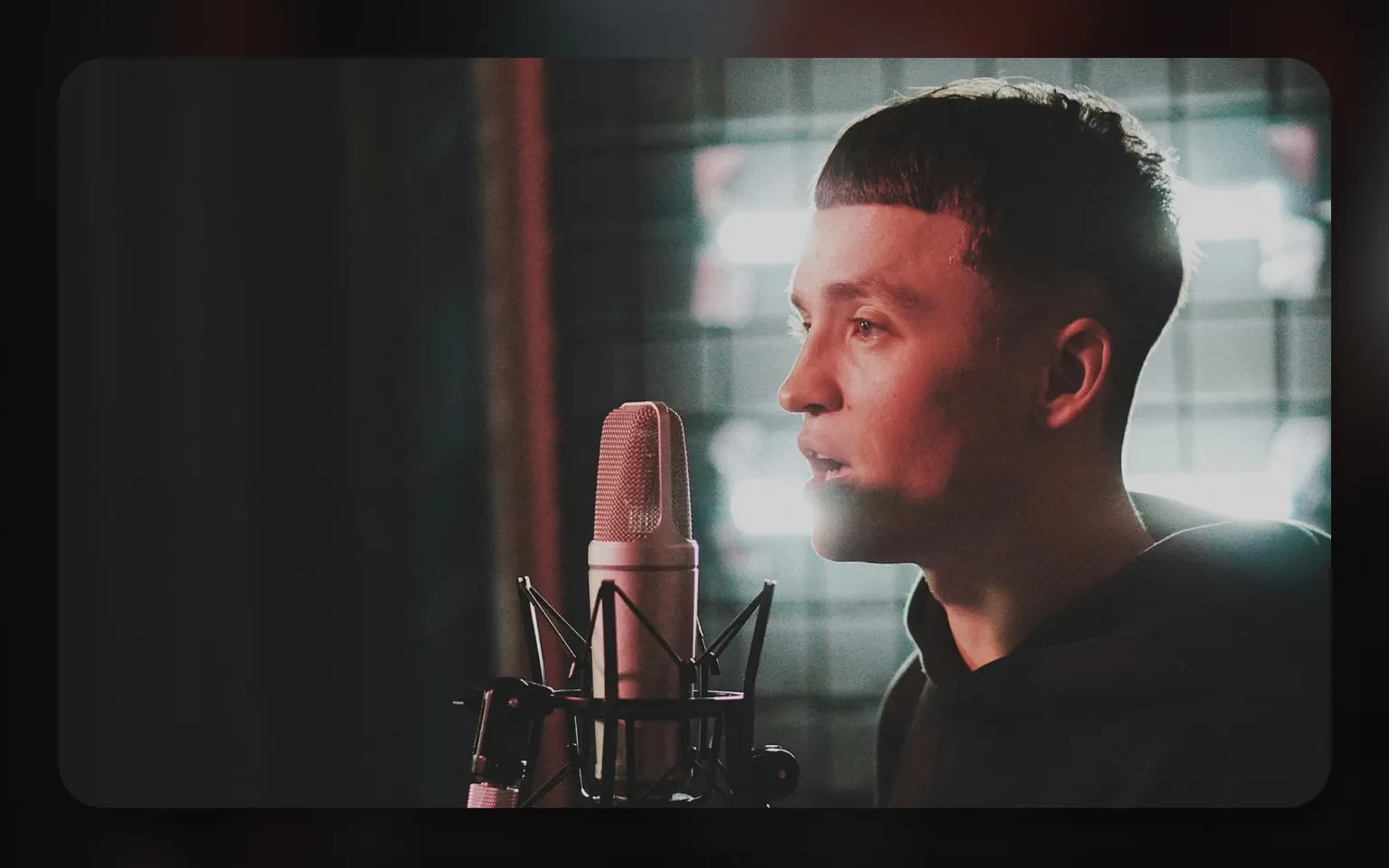
Why artists feel the pressure to do everything
Being an independent artist today often means wearing many different hats.
Writing music, producing songs, promoting releases, managing social media, networking, learning marketing, organizing performances, the list keeps growing.
What used to be handled by teams inside labels now often falls entirely on the artist.
At first this independence can feel empowering. Artists have more control than ever before. But over time, the constant demand to handle every aspect of a project can become overwhelming.
Independence creates freedom.
But it can also create pressure.
For many artists, this pressure slowly turns into burnout.
The invisible workload behind music careers
From the outside, the life of an artist can look exciting. Writing songs, releasing music, performing on stage.
But much of the work happens behind the scenes.
Planning releases, creating content, analyzing metrics, communicating with collaborators, pitching to curators, learning new tools, these activities consume enormous amounts of time and energy.
Because this workload is often invisible, artists underestimate how much effort is required to sustain a project.
Over time, the accumulation of responsibilities can drain motivation.
Why constant comparison accelerates burnout
Social media has introduced another challenge: constant comparison.
Artists are exposed daily to the highlights of other careers, viral moments, major releases, and impressive achievements.
Even when these moments represent only a small portion of someone else’s journey, they create the impression that success is happening everywhere except in one’s own project.
This perception can intensify pressure.
Comparison often distorts reality.
Instead of focusing on their own trajectory, artists may begin measuring themselves against unrealistic timelines.
The problem with the “always active” mindset
Many artists believe they must remain constantly active to stay relevant.
This mindset encourages continuous output: more content, more releases, more engagement, more promotion.
While consistency is important, constant activity without recovery can become exhausting.
Creative work requires periods of reflection and rest. Without them, the quality of ideas often declines.
Burnout frequently appears when artists feel unable to step away from the cycle of activity.
Why burnout harms creativity
Music is fundamentally a creative process.
When artists are mentally exhausted, creativity becomes harder to access. Writing sessions feel forced, inspiration becomes rare, and the project may start feeling like an obligation rather than a passion.
Burnout can also affect confidence. Artists may begin doubting their abilities or losing the sense of excitement that originally motivated them.
Creativity needs energy to exist.
Protecting that energy becomes essential for long-term artistic development.
The importance of sustainable pace
Artists who maintain long careers often approach their work differently.
Instead of trying to maximize activity at every moment, they focus on sustainability. They develop rhythms that balance creation, promotion, and rest.
This approach does not mean doing less. It means organizing effort in a way that can be maintained over years rather than months.
Music careers rarely unfold quickly. They require endurance.
Why community reduces pressure
Burnout often becomes more intense when artists feel isolated.
Working alone means carrying every responsibility personally. When challenges appear, there is no external perspective to share the weight.
Communities and ecosystems can change this dynamic.
Platforms like Matchfy allow artists to interact with curators, professionals, and other musicians who face similar challenges. These environments create support systems where feedback, collaboration, and shared experience reduce the feeling of isolation.
When artists realize they are not alone in their struggles, pressure becomes easier to manage.
Learning to separate identity from metrics
Another important step in preventing burnout is separating artistic identity from numerical performance.
Streams, followers, and engagement metrics provide useful information, but they should not define an artist’s sense of worth.
Careers grow through experimentation and learning, which naturally includes moments of slower progress.
Artists who maintain a healthy relationship with metrics often experience less emotional volatility.
Numbers describe progress.
They do not define artistic value.
What sustainable artists do differently
Artists who avoid burnout often develop a few key habits.
They plan releases realistically rather than rushing them. They focus on meaningful connections with listeners instead of chasing constant visibility. They also protect time for creativity without external pressure.
Most importantly, they treat their career as a long-term journey rather than a series of urgent moments.
This perspective reduces anxiety and allows growth to unfold more naturally.
The real takeaway
Burnout is becoming one of the most significant risks for independent artists.
The modern music landscape offers unprecedented opportunities, but it also demands constant effort across many areas.
Artists who want to sustain their creativity must learn to balance ambition with sustainability.
When this balance is supported by communities and feedback ecosystems like Matchfy, the pressure of independence becomes easier to manage.
Because in the end, the most important resource an artist has is not time or exposure.
It is the energy to keep creating.